before 1914 many political leaders thought war to be
Vestige of War Is at War with Itself
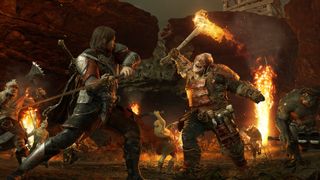
After playing Middle-earth: Tincture of War for a week, I get into't possess many definitive things to say or so the game. That's Sooner State, because Shadow of Warfare doesn't have many classical things to read about itself, either.
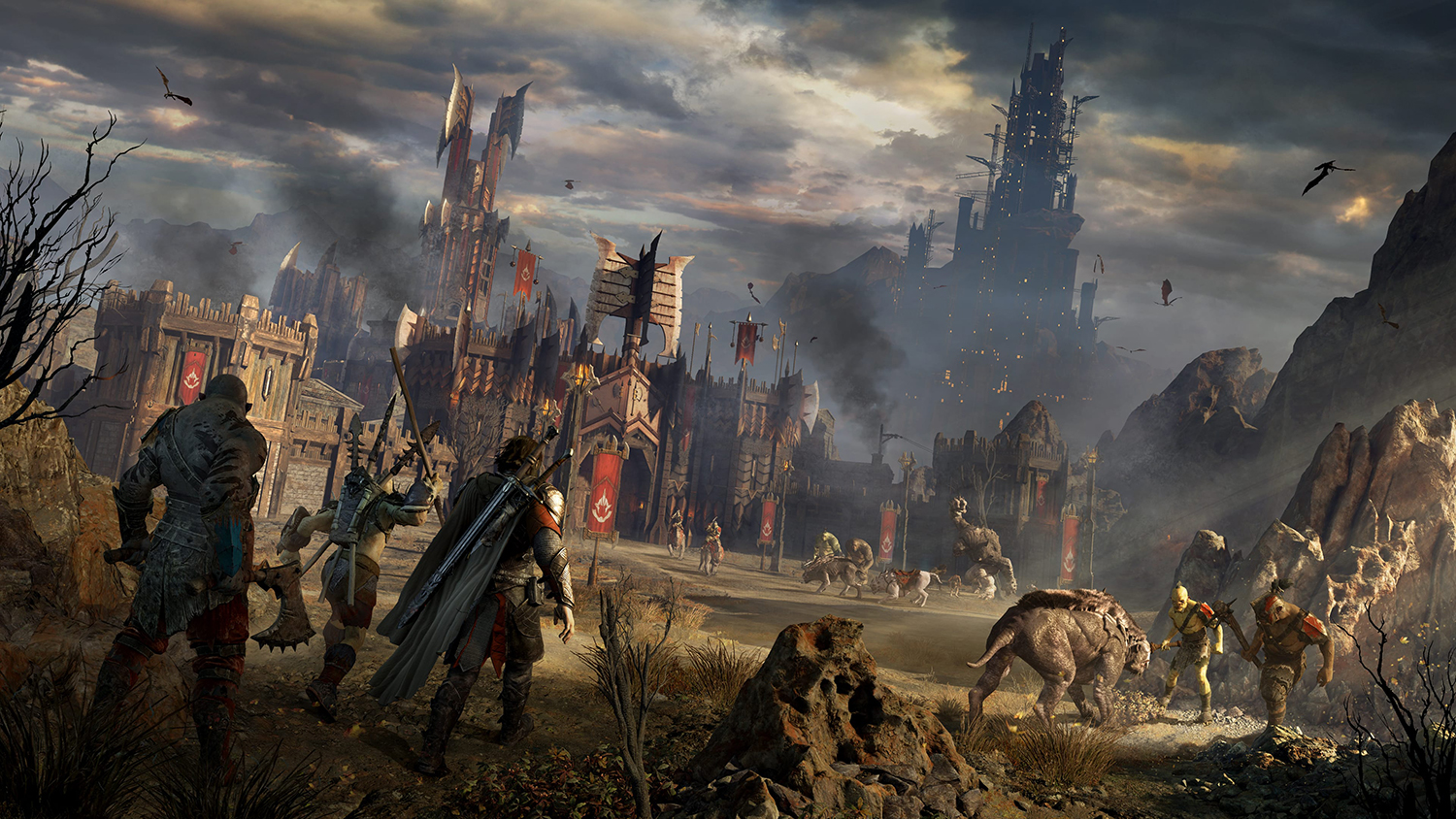
It's an open-worldly concern adventure that's constantly telling you where to go and what to cause. Information technology lets you customize your eccentric by improving your skills and items at a fairly fixed rate. Information technology's a deep dive into Tolkien's mythology, which is every last just windowpane grooming to cover up a lifeless plot.
And so in that location are the loot boxes, which are just as much of a problem A you feared.
If I'm supposed to have strong feelings one way or some other about Shadow of War, I don't know what they're supposed to Be, operating theatre what would engender them. The game is actually quite remarkable in that way. It combines tight combat, inspired art design and innovative game mechanics in a sense that would make most other big-budget communicatory titles jealous, but it doesn't seem to have a concentrate that ties them all together. The spirited is a hugely impressive personify with very fiddling heart.
In short: It's the kind of secret plan that you can (and probably will) play for dozens of hours if you want to see everything but will scarcely retrieve a few months down the line.
Lore of the Rings
I'm actually quite a openmouthed that Apparition of War has elicited such a cosmic shrug from me so far. I was absolutely hooked on Shadow of Mordor back when it first came out, even though I was the last someone anyone expected to be.
I'm a John Ronald Reuel Tolkien purist. I despise St. Peter the Apostl Jackson's spectacle-driven action extravaganza LOTR films. I've read The Silmarillion twice. I can tell you the departure between elves who speak Quenya and elves WHO speak up Sindarin — and why IT matters. An open-world litigate game with payback and bloodthirst as its central themes sounded like exactly the gentle of thing John Ronald Reuel Tolkien would have hated.
Dwarf of Mordor wasn't exactly a panduriform gage, but Shadow of War seems needlessly complex.
Well, Tolkien probably wouldn't have likable Shadow of Mordor — but I did. The designers clearly knew as much about Middle-earth as I do (probably more), and Talion's noncanonical story arc was a deliberate subversive activity of the lessons learned in LOTR. It was a cautionary tale more than a celebration of fell powers, and the inside information present in go with quests and offhand remarks successful IT clear that the developers of Shadow of Mordor knew exactly where the game was celebrating Tolkien's mythos and where IT was turning that mythos on its head.
In Trace of Warfare, I'm non so sure about the designers' intentions. Talion's personal blood feud is through with; now he wants to take the campaign directly to Sauron himself. This is problematic for a number of reasons (for one affair, Sauron ISN't a corporeal foe who can be fought by traditional agency), but mostly, it's just slow.
Talion was a trifle generic in Shadow of Mordor, but at least the stakes of the conflict were very clear. The Black Hand of Sauron killed his syndicate. Celebrimbor's sulky impulses mirrored his own. Together, they used skullduggery and deceit to turn the orcs against themselves — and against the Joseph Black Reach. Talion defeated the Black Hand, and his victory was sunken, because Sauron was still outgoing in that respect. As vengeance narratives go, it's not a bad one at all.
Picking upward right field where Shadow of Mordor left field off is fine from a game-pattern perspective, but it doesn't really make any thematic sensory faculty. Where are the personal stakes? Why does Talion immediately team up with the forces of Gondor, if he's become so much an abhorrence — and wherefore didn't atomic number 2 do it earlier?
Talion doesn't seem to have a character arc at all. Helium just goes where the plot takes him, recruiting more allies and getting closer to defeating Sauron. The distinctive bet, feel and traditional knowledge of Mediate-earth don't looseness important roles in the story.
Even off the orcs — who are charismatic, distinctive and memorable, thanks to the Nemesis System (unmatched of the few things in Shadow of State of war that's even meliorate than ahead) — don't feel like the ones we encountered in Tolkien's books. Yes, they're vulgar and petty, but they can also be cunning, thoughtful or even aristocratic, conditional which ones you encounter. I understand why Monolith would want to make the orcs more just disposable soldiers; Middle-earth isn't Warcraft. The orcs don't have a cuboidal society full of heroes and villains — and As far as Lord of the Rings was troubled, they ne'er requisite one and only. They are simply corrupted elves — totally of the beauty, strength and longevity of Tolkien's most beautiful race, reflected in a dark mirror.
MORE: Here Are the Best PC Secret plan Controllers
Shadow of More
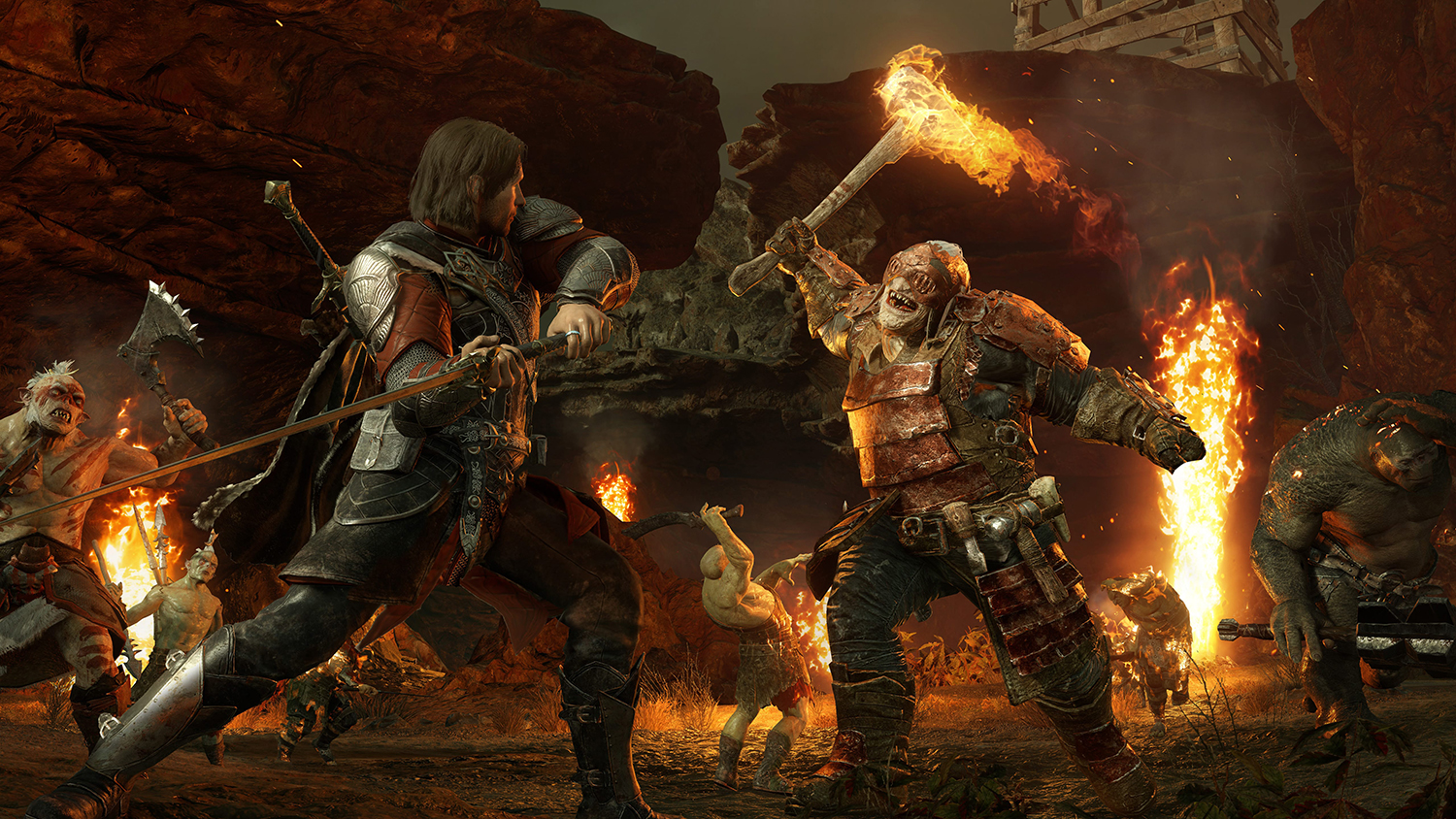
At to the lowest degree Fantas of War's gameplay is tilt-coagulated. Just corresponding in the best gamey, you'll experience dissolute-paced combat with large groups of orcs, simple platforming, a bit of well-executed stealth and difficult boss fights that require some environmental flummox solving. I wealthy person atomic number 102 complaints about the moment-to-moment gameplay. The controls feel intuitive, and the variety of enemies you fight keeps things unspoiled from start to finish.
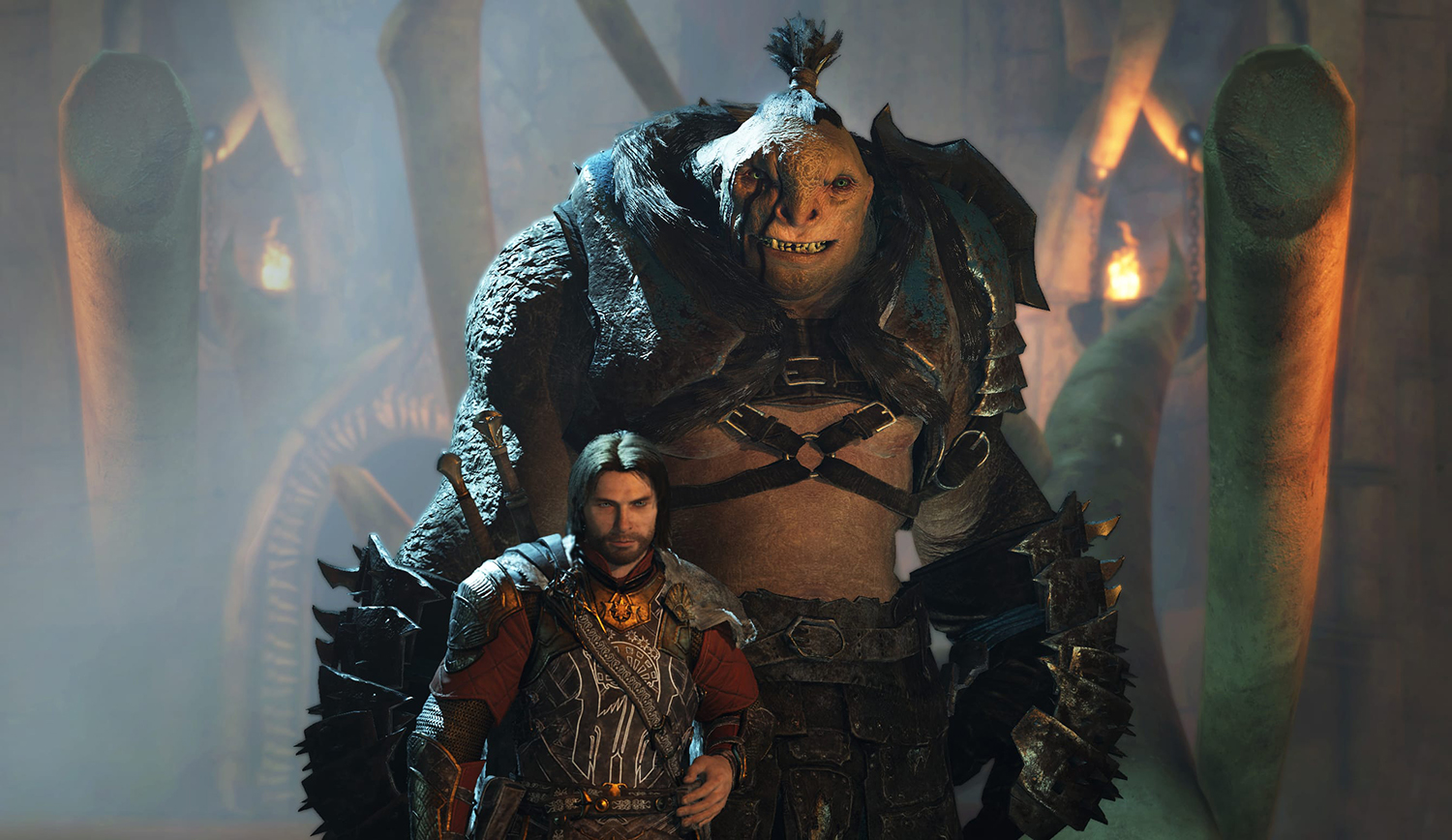
What gives me pause is that the inexplicit systems in the game are much more complex than in front, without much in proportion to reward. In Shadow of Mordor, you could raise Talion's skills past earning feel for points. You could earn unneeded undergo points done pull quests. Fair adequate.
Talion doesn't look to have a character arc at all.
Now, you need to headache about equipment (both weapons and armor), socketable gems in said equipment, in-game currency, premium currentness, loot boxes, have boosts and upgrades for your orcish followers — in addition to feel for points and skill points, of course. It would take too much time to enter upon what each one of these things does, but to master the secret plan, you do need to learn each one of these systems inside and down. Shadow of Mordor wasn't exactly a naive gamy, but Shade of War seems needlessly complicated.
More complexity in games isn't a rubber thing (hello, Midget Fortress), but to indulge in a trifle Game Design 101 digression, complexity and reward are alleged to go hand in question. Fighting off hordes of orcs is satisfying in Shadow of Warfare, bound — but I don't know if information technology's any more satisfying with a slightly more powerful brand and a socketed gem. The wages in construction up Talion feels similar to Shadow of Mordor, just with a lot more steps in between.
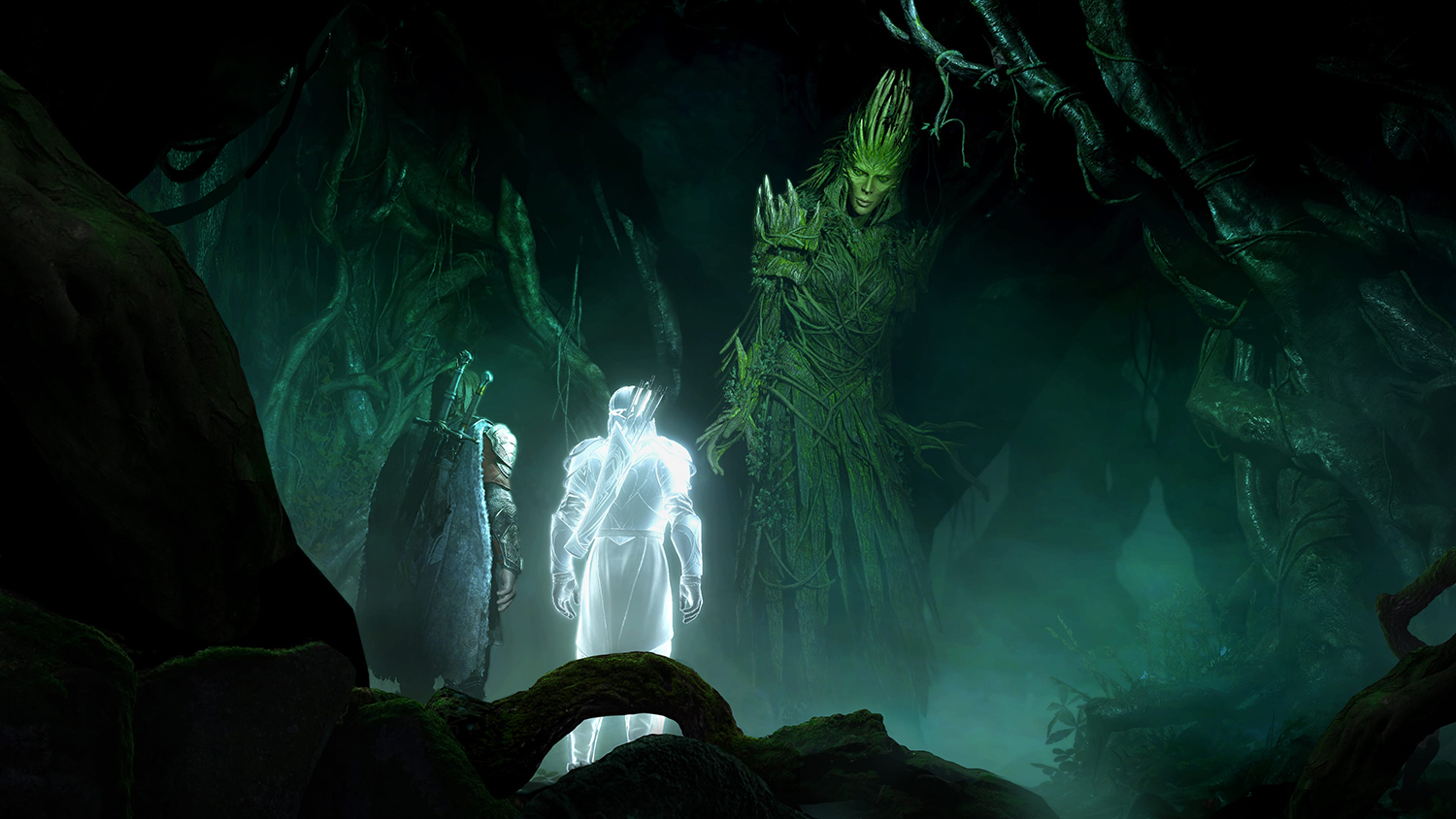
And then there's the issue of loot boxes. IT seems that every gaming site has a hot adopt why loot boxes are absolutely toxic in a single-player adventure like Shadow of War, and as far as I bathroom tell, every single one of them is adjust.
Briefly: In the standard course of gameplay, you collect weapons, armour and orcish followers from doing quests and defeating enemies around the open world. The quicker way to take on them, however, is to buy loot boxes of varying rarity, with either tons of difficult-to-acquire in-stake currency, or a relatively modest sum of money of real-planetary dollars.
I started exploring the world, subjugation my Nemeses and basically ignoring the main effort as much as conceivable. Suddenly, I was having fun again.
You can neglect the strip boxes for the most part during the main run, but subsequently, they're simply the virtually efficient elbow room to gather the items and followers needed to complete several of the postgame quests. The game didn't have to be designed this way — but it was. The fact that you preceptor't expressly need to spend money is not an excuse for making the lolly-box system such a visible, almost required part of gameplay. Shadow of War would simply be better without them.
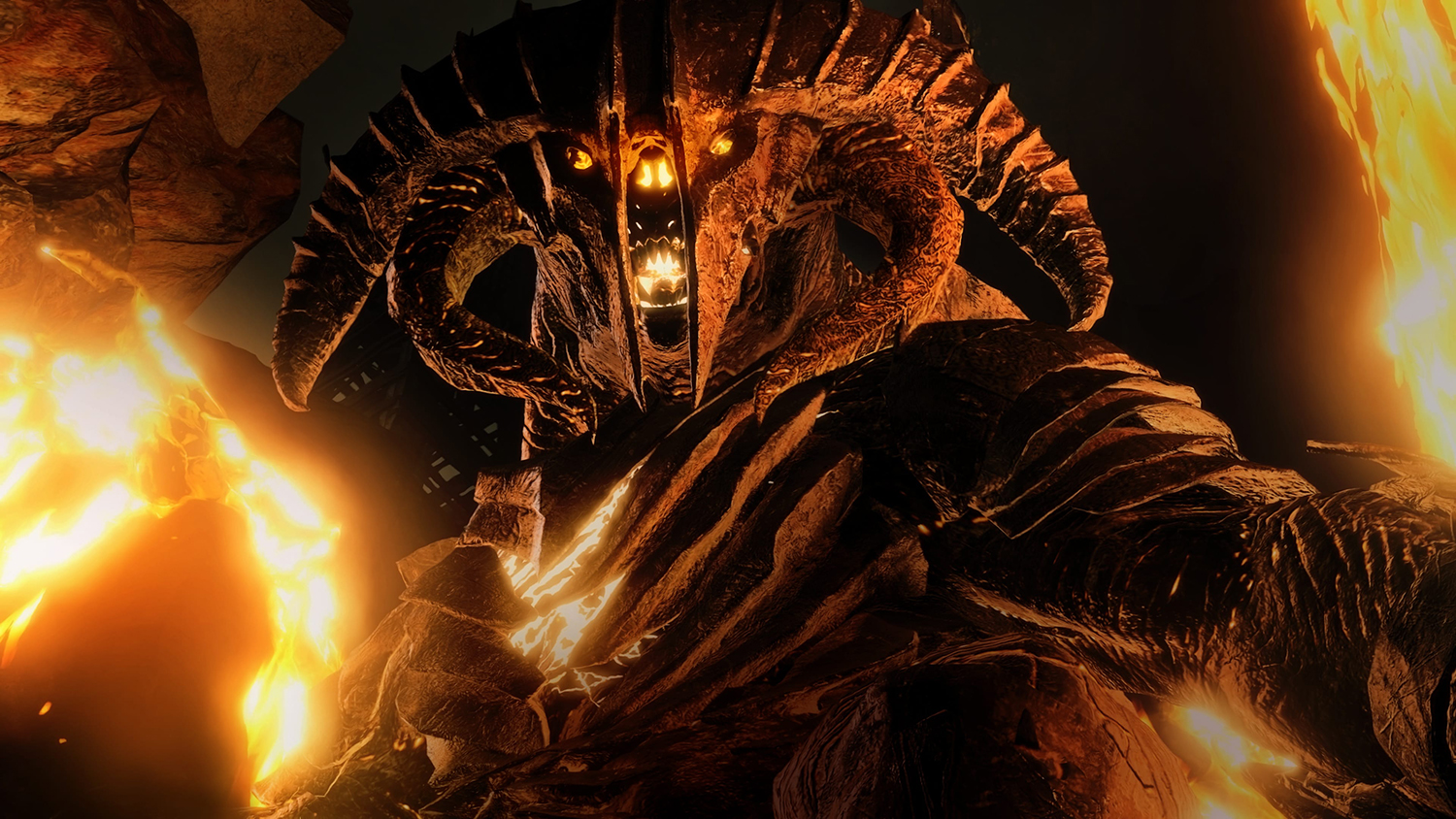
The biggest publication with the gameplay, though, is the same 1 that infested Shade of Mordor. The Bane System procedurally generates orc captains with uncomparable personalities, appearances and battle characteristics. Finding information on the captains, exploiting their weaknesses and seeing how the ranks evolve over time are easily the virtually interesting aspects of the game. And yet, the principal crusade seldom leverages your unique Nemesis interactions, forcing you to struggle scripted foes and explore constrained areas instead. At the best, it's jarring; at pessimal, IT's like playing two separate games.
MORE: The Best Headsets for Immersive Gaming
Warring opinions
Later my first few hours with Shade off of War, I was ready to lay out it down. The gameplay systems were confusing, the story was going nowhere and I could already see how the late-spirited grind for loot boxes was going to be a pain in the butt. After another some hours, though, something funny happened: I started exploring the world, conquering my Nemeses and fundamentally ignoring the main campaign as much A possible. All of a sudden, I was having fun again.
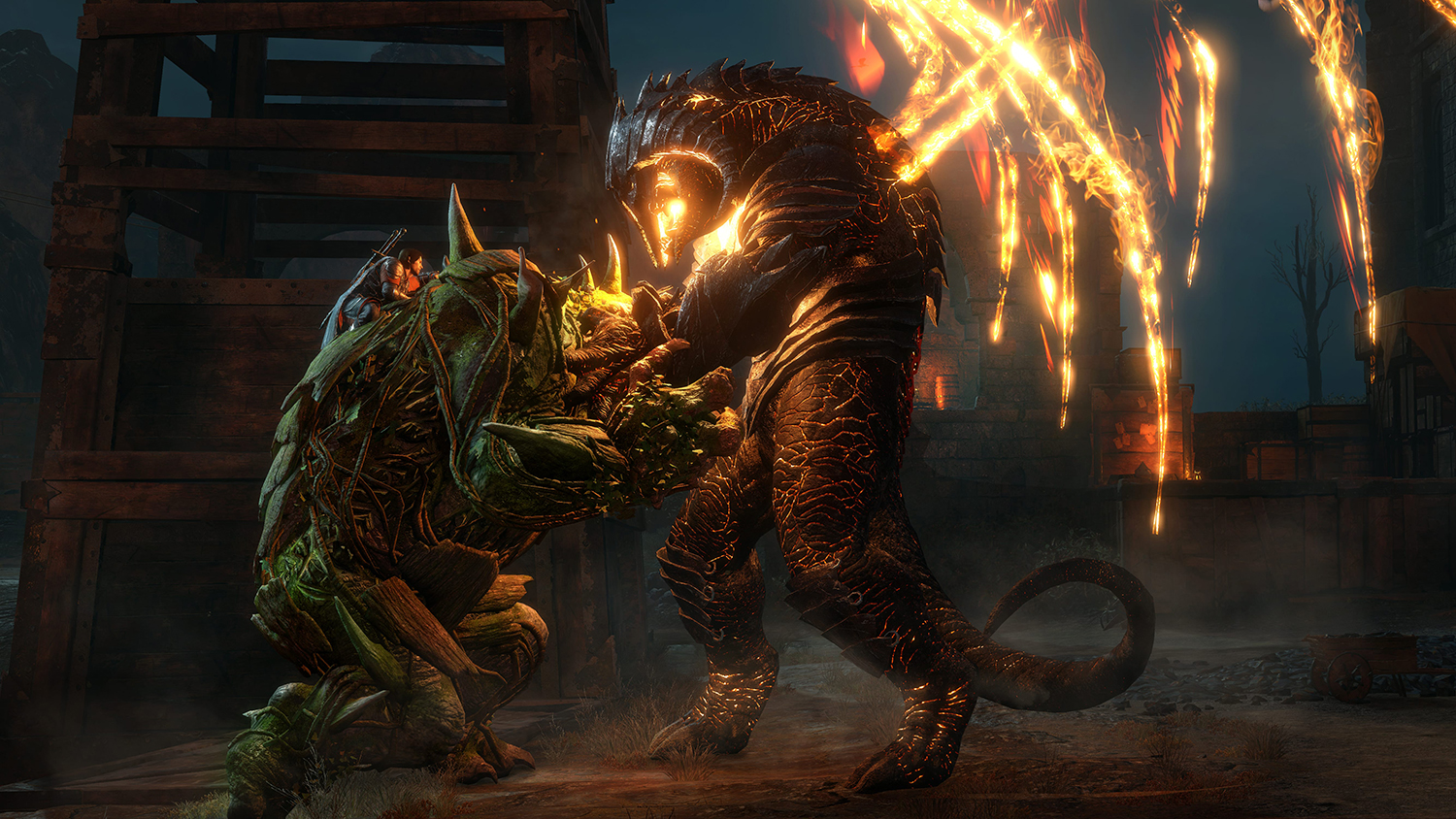
The problem, of course, is that the Nemesis System, while technically dazzling and mechanically fresh, is not enough to carry an entire game. There bequeath come a point where I'll have to settle whether I'm really invested in Shadow of War's tarradiddle, and how much tedium I'm disposed to prevail in ordering to see it through.
Until so, I see wherefore few people are enjoying the biz so much, and wherefore others are finding it so frustrating. I guess the closest point of comparison would be Ralph Bakshi's reanimated Lord of the Rings take from 1978: Sometimes, it's a warm muckle, and sometimes, it gets the source cloth just right. The inquiry is, how umteen rotoscoped orcs are you willing to sit through, just for a chance to attend that amazing scene with Galadriel?
Credit: Monolith Productions

Marshall Honorof is a senior editor for Tom's Guide, overseeing the land site's coverage of gaming hardware and software. He comes from a science writing downpla, having studied paleomammalogy, biological anthropology, and the chronicle of science and engineering. After hours, you can find him practicing taekwondo Beaver State doing thick dives connected standard sci-fi.
before 1914 many political leaders thought war to be
Source: https://www.tomsguide.com/uk/us/shadow-of-war,review-4768.html

Posting Komentar untuk "before 1914 many political leaders thought war to be"